Your Countax Cutting Deck: Essential Parts, Common Wear Points and Replacement Guide
Date Released: 2 Feb 2026 Category: Blog
The cutting deck is the business end of your Countax tractor, and it works harder than any other component on the machine. Every time you mow, the deck is dealing with spinning blades at high speed, grass and debris being thrown around, moisture, and the occasional hidden rock or branch that really shouldn't have been there. Understanding which parts make up your cutting deck and which bits typically need attention helps you keep it cutting beautifully.
You don't need mechanical knowledge to maintain a cutting deck properly. You just need to know what to look for and when certain components have reached the point where replacement is sensible rather than soldiering on and hoping for the best.
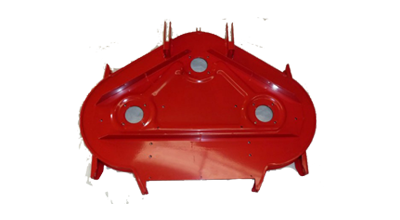
The blades attach to spindles, which are essentially vertical shafts with bearings that allow them to spin freely. These spindles are driven by pulleys connected via belts to the engine's power takeoff. The deck itself provides the housing that contains and directs the grass clippings, either discharging them out the side or directing them up into your grass collector if you have one fitted.
Different Countax models have different deck widths, which is one reason why deck parts are model-specific. A wider deck means longer blades, different spindle arrangements, and different belt configurations. Always order deck parts specifically for your model's deck size.
A sharp blade cuts grass cleanly, leaving neat edges that heal quickly. A dull or damaged blade tears and rips grass, which looks untidy and stresses your lawn. You can sharpen blades several times over their life, but eventually, the metal wears too thin or damage is too severe for sharpening to fix the problem.
When ordering replacement blades, you need to know your specific deck size because blade length varies accordingly. A 36-inch deck uses different blades from a 42-inch deck, and fitting the wrong ones is impossible or dangerous. Countax blades are balanced from the factory, which matters for smooth, vibration-free operation.
Check your blades regularly, ideally monthly during the mowing season. Look for nicks, bends, cracks, or excessive wear. Any cracking means immediate replacement because a blade can break apart at operating speed, which is genuinely dangerous. Bent blades create vibration and should also be replaced rather than straightened.
Worn spindle bearings create noise, often a rumbling or grinding sound that gets worse under load. You might also notice vibration that wasn't there before. If you grasp a blade by hand when the engine is off and try to wobble it, excessive play indicates bearing wear. A small amount of movement is normal, but significant wobbling means the spindle assembly needs attention.
Some Countax deck spindles have replaceable bearings that can be pressed out and new ones fitted, whilst others are sealed assemblies where you replace the entire unit. Your parts supplier can advise which applies to your specific model. Complete spindle assemblies are more expensive but are often the better choice for reliability.
Spindle failure, whilst not common, can cause significant damage if ignored. A seized spindle puts tremendous strain on deck belts and can damage the deck housing itself. Catching bearing wear early through regular checks prevents these more serious problems.
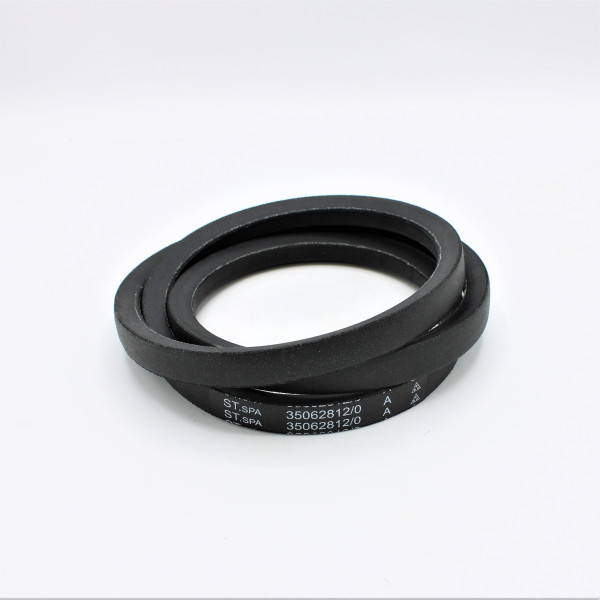
Deck belts show their age in familiar ways: cracking across the width, fraying at the edges, glazing that makes them shiny and hard, or stretching that affects tension. Any of these conditions means replacement is due. A belt that snaps during use can sometimes whip around and damage other components, so replacing worn belts before failure is definitely preferable.
Getting the correct replacement belt for your Countax deck means knowing your exact model because belt lengths are specific. Even different models within the same series might use different belts if their deck configurations vary. Using parts diagrams helps identify exactly which belt or belts your deck uses.
When fitting new deck belts, correct routing is essential. The belt needs to follow the specified path around all the pulleys, and it's surprisingly easy to get this wrong if you're not careful. Take photographs of the old belt's routing before removing it, or consult your manual's belt diagram. Incorrectly routed belts wear rapidly and don't transfer power effectively.
Testing pulleys is straightforward when the belt is removed. Spin each pulley by hand; it should rotate smoothly without roughness, grinding, or excessive play. Any pulley that doesn't spin freely or makes noise needs replacement.
Idler pulleys, which don't drive anything but simply keep tension on belts, are particularly prone to wear because they're often spring-loaded and under constant tension. A worn idler might not maintain proper belt tension, leading to slipping and poor blade engagement.
Some Countax decks have adjustable idler positions that allow belt tension adjustment. Understanding how your particular deck's tensioning system works helps you maintain proper tension, which extends belt life and ensures blades engage positively.
Check underneath your deck regularly for damage or deterioration. Small cracks can sometimes be welded, but significant structural damage usually means the deck housing needs replacement. This is expensive, so protecting your deck through careful mowing and regular cleaning makes economic sense.
The mounting points where your deck attaches to the tractor also deserve attention. These pivot points and adjustment mechanisms can wear over time, affecting how the deck sits and moves. Worn mounting hardware can make deck height adjustment difficult or cause the deck to sit unevenly, which affects cut quality.
Check these support wheels regularly. They should spin freely and show even wear. If they're worn on one side, your deck might not be level. If they don't spin well, the bearings need attention. Worn gauge wheels should be replaced before they fail completely because a deck without proper support can scalp your lawn or dig into soft ground.
Adjustment of gauge wheel height affects how your deck sits relative to the ground. Understanding your deck's adjustment system helps you maintain consistent cutting height and protect both your deck and your lawn.
Inspect discharge components for cracks or damage. These parts take impacts from stones and other debris thrown by the blades, so damage isn't uncommon. Replacement chutes and deflectors are available and should be fitted if the original parts are significantly damaged.
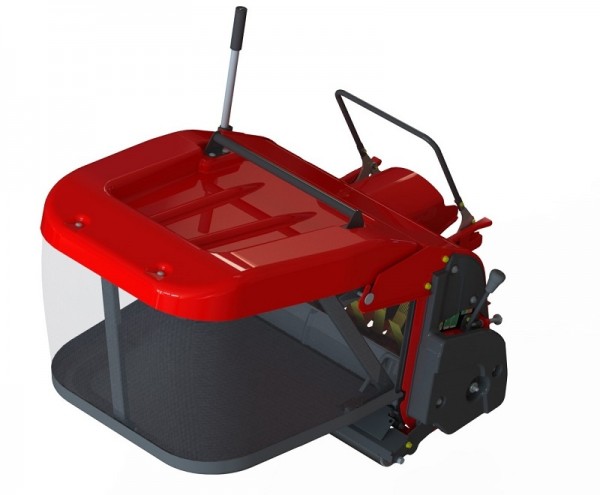
These collector-specific components can wear or become damaged, affecting collection efficiency. If your grass collection performance decreases, check that all the deck components related to collection are intact and properly fitted. Missing or damaged baffles can significantly reduce how well the system picks up grass.
Annual maintenance should include removing blades for sharpening or replacement, inspecting all spindles for play or noise, checking all belts for condition, and examining pulleys for wear. This systematic approach catches problems early when fixes are simple and inexpensive.
Your Countax cutting deck is engineered to last for years with proper care. Understanding which components need regular attention and replacing worn parts before they fail keeps your deck cutting cleanly and reliably season after season.
You don't need mechanical knowledge to maintain a cutting deck properly. You just need to know what to look for and when certain components have reached the point where replacement is sensible rather than soldiering on and hoping for the best.
How Your Cutting Deck Works
At its most basic, your Countax cutting deck is a reinforced metal housing that contains one or more spinning blades driven by belts connected to your engine. The deck is mounted underneath your tractor, usually at the front, and can be raised or lowered to adjust cutting height. Sounds simple, but there's actually quite a lot going on to make this work reliably.The blades attach to spindles, which are essentially vertical shafts with bearings that allow them to spin freely. These spindles are driven by pulleys connected via belts to the engine's power takeoff. The deck itself provides the housing that contains and directs the grass clippings, either discharging them out the side or directing them up into your grass collector if you have one fitted.
Different Countax models have different deck widths, which is one reason why deck parts are model-specific. A wider deck means longer blades, different spindle arrangements, and different belt configurations. Always order deck parts specifically for your model's deck size.
Mower Blades
Blades are the most frequently replaced deck component, which makes sense given what they do. They're spinning at tremendous speed, striking grass thousands of times per minute, and occasionally hitting things much harder than grass. Even the best blades eventually wear down or suffer damage that means replacement rather than sharpening.A sharp blade cuts grass cleanly, leaving neat edges that heal quickly. A dull or damaged blade tears and rips grass, which looks untidy and stresses your lawn. You can sharpen blades several times over their life, but eventually, the metal wears too thin or damage is too severe for sharpening to fix the problem.
When ordering replacement blades, you need to know your specific deck size because blade length varies accordingly. A 36-inch deck uses different blades from a 42-inch deck, and fitting the wrong ones is impossible or dangerous. Countax blades are balanced from the factory, which matters for smooth, vibration-free operation.
Check your blades regularly, ideally monthly during the mowing season. Look for nicks, bends, cracks, or excessive wear. Any cracking means immediate replacement because a blade can break apart at operating speed, which is genuinely dangerous. Bent blades create vibration and should also be replaced rather than straightened.
Blade Spindles and Bearings
The spindles that hold your blades and allow them to spin are robust components, but they do eventually wear. Each spindle contains bearings that take enormous loads from the spinning blade and any impacts the blade encounters. When these bearings wear, you'll hear it and feel it.Worn spindle bearings create noise, often a rumbling or grinding sound that gets worse under load. You might also notice vibration that wasn't there before. If you grasp a blade by hand when the engine is off and try to wobble it, excessive play indicates bearing wear. A small amount of movement is normal, but significant wobbling means the spindle assembly needs attention.
Some Countax deck spindles have replaceable bearings that can be pressed out and new ones fitted, whilst others are sealed assemblies where you replace the entire unit. Your parts supplier can advise which applies to your specific model. Complete spindle assemblies are more expensive but are often the better choice for reliability.
Spindle failure, whilst not common, can cause significant damage if ignored. A seized spindle puts tremendous strain on deck belts and can damage the deck housing itself. Catching bearing wear early through regular checks prevents these more serious problems.
Deck Belts
Your cutting deck uses belts to transfer power from the engine to the blade spindles. Depending on your deck configuration, there might be one main belt or multiple belts in the system. These belts work hard, running constantly whenever the blades are engaged, exposed to grass debris and moisture.Deck belts show their age in familiar ways: cracking across the width, fraying at the edges, glazing that makes them shiny and hard, or stretching that affects tension. Any of these conditions means replacement is due. A belt that snaps during use can sometimes whip around and damage other components, so replacing worn belts before failure is definitely preferable.
Getting the correct replacement belt for your Countax deck means knowing your exact model because belt lengths are specific. Even different models within the same series might use different belts if their deck configurations vary. Using parts diagrams helps identify exactly which belt or belts your deck uses.
When fitting new deck belts, correct routing is essential. The belt needs to follow the specified path around all the pulleys, and it's surprisingly easy to get this wrong if you're not careful. Take photographs of the old belt's routing before removing it, or consult your manual's belt diagram. Incorrectly routed belts wear rapidly and don't transfer power effectively.
Pulleys and Idlers
The pulleys that guide deck belts and the idler pulleys that maintain belt tension are components people often overlook until they fail. Pulleys contain bearings that allow them to spin freely, and like spindle bearings, these eventually wear. Worn pulley bearings create noise and can cause the pulley to wobble, which affects belt tracking and life.Testing pulleys is straightforward when the belt is removed. Spin each pulley by hand; it should rotate smoothly without roughness, grinding, or excessive play. Any pulley that doesn't spin freely or makes noise needs replacement.
Idler pulleys, which don't drive anything but simply keep tension on belts, are particularly prone to wear because they're often spring-loaded and under constant tension. A worn idler might not maintain proper belt tension, leading to slipping and poor blade engagement.
Some Countax decks have adjustable idler positions that allow belt tension adjustment. Understanding how your particular deck's tensioning system works helps you maintain proper tension, which extends belt life and ensures blades engage positively.
Deck Housing and Mounting
The deck housing itself is robust and rarely needs replacement, but it's worth inspecting for damage. Severe impacts from hidden obstacles can crack or bend the deck housing. Rust can develop if the deck isn't cleaned regularly, particularly on older machines.Check underneath your deck regularly for damage or deterioration. Small cracks can sometimes be welded, but significant structural damage usually means the deck housing needs replacement. This is expensive, so protecting your deck through careful mowing and regular cleaning makes economic sense.
The mounting points where your deck attaches to the tractor also deserve attention. These pivot points and adjustment mechanisms can wear over time, affecting how the deck sits and moves. Worn mounting hardware can make deck height adjustment difficult or cause the deck to sit unevenly, which affects cut quality.
Deck Wheels and Gauge Wheels
Most Countax decks have small wheels or skids underneath that help support the deck and prevent scalping when ground is uneven. These wheels take quite a beating, rolling over rough ground and occasionally hitting obstacles. They wear down, bearings fail, or the wheels crack with age.Check these support wheels regularly. They should spin freely and show even wear. If they're worn on one side, your deck might not be level. If they don't spin well, the bearings need attention. Worn gauge wheels should be replaced before they fail completely because a deck without proper support can scalp your lawn or dig into soft ground.
Adjustment of gauge wheel height affects how your deck sits relative to the ground. Understanding your deck's adjustment system helps you maintain consistent cutting height and protect both your deck and your lawn.
Discharge Chutes and Deflectors
If your Countax has a side discharge setup, the chute and deflector that direct clippings are important safety components as well as functional parts. A damaged discharge deflector might allow debris to be thrown towards the operator, which is dangerous.Inspect discharge components for cracks or damage. These parts take impacts from stones and other debris thrown by the blades, so damage isn't uncommon. Replacement chutes and deflectors are available and should be fitted if the original parts are significantly damaged.
Grass Collector Deck Components
If your Countax has a powered grass collector, there are additional deck components involved in directing grass up through the collection chute. This includes specific deck configurations, chute mounting points, and sometimes baffles or guides within the deck housing.These collector-specific components can wear or become damaged, affecting collection efficiency. If your grass collection performance decreases, check that all the deck components related to collection are intact and properly fitted. Missing or damaged baffles can significantly reduce how well the system picks up grass.
Keeping Your Deck in Good Condition
Regular maintenance prevents most deck problems. Clean underneath after use to remove grass buildup that traps moisture against metal. Check blade sharpness and condition frequently. Listen for unusual noises that might indicate bearing wear. Look for belt wear and tension issues.Annual maintenance should include removing blades for sharpening or replacement, inspecting all spindles for play or noise, checking all belts for condition, and examining pulleys for wear. This systematic approach catches problems early when fixes are simple and inexpensive.
Your Countax cutting deck is engineered to last for years with proper care. Understanding which components need regular attention and replacing worn parts before they fail keeps your deck cutting cleanly and reliably season after season.