Spring Start-Up Guide: Getting Your Countax Running After Winter Storage
Date Released: 1 Mar 2026 Category: Blog
The first warm days of spring arrive, the grass begins to grow, and it's time to bring your Countax out of winter storage. After months of sitting idle, your tractor needs a bit of attention before you can start mowing. A proper spring start-up routine ensures reliable operation throughout the season and helps you identify any issues before they become serious problems.
Many people make the mistake of simply turning the key and expecting everything to work perfectly after months of storage. Whilst Countax tractors are built to last, winter storage takes its toll on various components. A systematic approach to spring start-up means you'll spend less time troubleshooting problems and more time enjoying a perfectly cut lawn.
Start by giving your Countax a thorough visual inspection. Look for any obvious damage, loose components, or signs of rodent activity. Mice and other creatures sometimes nest in stored machinery, chewing through wiring or building nests in inconvenient places. Check around the engine, under the seat, and anywhere that looks like it might offer shelter.
Inspect all the belts you can see without removing covers. Drive belts and deck belts can deteriorate over winter, especially if they were stored whilst damp. Look for cracks, fraying, or glazing on the belt surfaces. If a belt looks questionable now, it's better to replace it before the season starts rather than having it fail mid-mow.
If you removed the battery for winter, reinstall it now. Clean the terminals before connecting them. Battery terminals often develop corrosion over winter, appearing as white or blue-green deposits. Clean these off with a wire brush or an old toothbrush dipped in a solution of bicarbonate of soda and water.
Connect the battery with the positive terminal first, followed by the negative. Make sure both connections are tight. A loose connection can cause all sorts of electrical problems that seem mysterious until you discover the real culprit is simply a terminal that isn't properly secured.
Charge the battery fully before attempting to start the engine. A partially charged battery might just about turn the engine over, but it's working much harder than it should. This strain can damage both the battery and the starter motor. A full charge ensures everything works as it should.
The best approach is to drain any old fuel from the tank and replace it with fresh petrol. This might seem wasteful, but it's far cheaper than dealing with carburettor problems caused by trying to run on degraded fuel. Old fuel can be disposed of at most household waste centres or used in cars where the small amount mixes with a full tank of fresh fuel.
If your Countax has a fuel tap, make sure it's turned on. It sounds obvious, but after storage, it's easy to forget that you turned it off months ago. Check that the fuel line isn't kinked or damaged, and that the fuel filter looks clear. A blocked filter prevents fuel reaching the engine no matter how much you have in the tank.
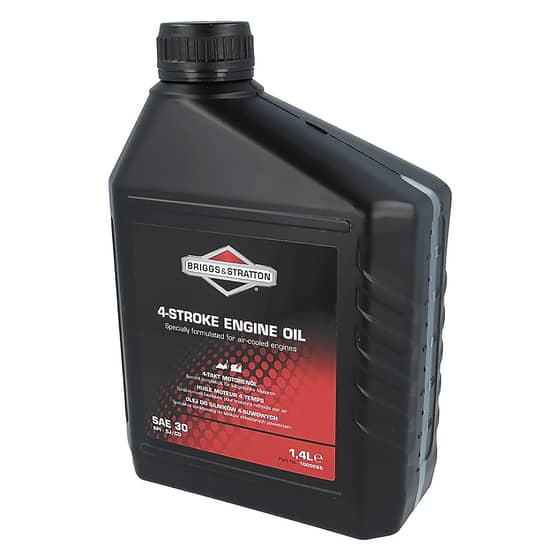
Whilst you're checking the oil, look at its condition. If the oil looks very dark or contaminated, or if it's been more than a season since it was changed, now is the perfect time to change it. Fresh oil at the start of the season gives your engine the best protection.
The oil filter should also be changed when you change the oil. A new filter ensures clean oil circulates through the engine. This is especially important if the Countax has been stored for several months, as contaminants can settle in the old filter.
Paper air filters should be relatively clean and intact. If the filter looks dirty, damaged, or has been affected by moisture, replace it. You can't properly clean a paper filter, and trying to use a compromised filter means your engine isn't getting the clean air it needs.
Foam filters can sometimes be cleaned and reused if they're in good condition. Wash them in warm soapy water, rinse thoroughly, and let them dry completely before reinstalling. If a foam filter is deteriorating or damaged, replacement is the better option.
If the plug looks fouled, worn, or if you can't remember when it was last changed, fit a new one. A fresh spark plug ensures reliable starting and smooth running. Make sure you use the correct plug type for your Countax's engine, as specified in your owner's manual or on the engine identification plate.
When fitting the plug, don't overtighten it. Spark plugs should be snug but not forced. Overtightening can damage the threads in the cylinder head, creating expensive problems.
If the engine won't start or cuts out unexpectedly, suspect a safety switch issue. These switches can become corroded or misaligned over winter. Check that the seat switch compresses properly when you sit down, that the brake switch engages when you apply the brake, and that the deck engagement switch is in the correct position.
Inflate all tyres to the recommended pressure. This information is usually on the tyres themselves or in the owner's manual. Equal pressure on both sides is important for straight tracking and even cutting.
The engine might take a few seconds to fire up as fresh fuel works through the system. Once running, let it warm up for a few minutes before engaging the drive or cutting deck. This warm-up period allows oil to circulate and everything to reach operating temperature.
If everything sounds and feels normal, you're ready to start the season. If you notice any problems, address them now rather than hoping they'll resolve themselves. Unusual noises, rough running, or anything that doesn't feel right deserves investigation.
A proper spring start-up routine takes perhaps an hour but pays dividends throughout the mowing season. Your Countax will start reliably, run smoothly, and give you the quality cut that these excellent machines are known for.
Many people make the mistake of simply turning the key and expecting everything to work perfectly after months of storage. Whilst Countax tractors are built to last, winter storage takes its toll on various components. A systematic approach to spring start-up means you'll spend less time troubleshooting problems and more time enjoying a perfectly cut lawn.
Before You Turn the Key
The temptation to immediately start the engine is understandable, especially when you're eager to tackle that overgrown grass. However, a few checks before starting can prevent damage and identify problems early. These preliminary inspections take just minutes but can save considerable frustration.Start by giving your Countax a thorough visual inspection. Look for any obvious damage, loose components, or signs of rodent activity. Mice and other creatures sometimes nest in stored machinery, chewing through wiring or building nests in inconvenient places. Check around the engine, under the seat, and anywhere that looks like it might offer shelter.
Inspect all the belts you can see without removing covers. Drive belts and deck belts can deteriorate over winter, especially if they were stored whilst damp. Look for cracks, fraying, or glazing on the belt surfaces. If a belt looks questionable now, it's better to replace it before the season starts rather than having it fail mid-mow.
Battery Care and Charging
Your battery almost certainly needs attention after winter storage. Even if you disconnected it and stored it properly, batteries naturally discharge over time. A battery that was fully charged in autumn will likely be substantially depleted by spring.If you removed the battery for winter, reinstall it now. Clean the terminals before connecting them. Battery terminals often develop corrosion over winter, appearing as white or blue-green deposits. Clean these off with a wire brush or an old toothbrush dipped in a solution of bicarbonate of soda and water.
Connect the battery with the positive terminal first, followed by the negative. Make sure both connections are tight. A loose connection can cause all sorts of electrical problems that seem mysterious until you discover the real culprit is simply a terminal that isn't properly secured.
Charge the battery fully before attempting to start the engine. A partially charged battery might just about turn the engine over, but it's working much harder than it should. This strain can damage both the battery and the starter motor. A full charge ensures everything works as it should.
Fuel System Preparation
Stale fuel is probably the single most common cause of starting problems after winter storage. If you didn't drain the fuel system or add stabiliser before storage, you're almost certainly dealing with degraded petrol. Even with stabiliser, fuel that's been sitting for six months isn't ideal.The best approach is to drain any old fuel from the tank and replace it with fresh petrol. This might seem wasteful, but it's far cheaper than dealing with carburettor problems caused by trying to run on degraded fuel. Old fuel can be disposed of at most household waste centres or used in cars where the small amount mixes with a full tank of fresh fuel.
If your Countax has a fuel tap, make sure it's turned on. It sounds obvious, but after storage, it's easy to forget that you turned it off months ago. Check that the fuel line isn't kinked or damaged, and that the fuel filter looks clear. A blocked filter prevents fuel reaching the engine no matter how much you have in the tank.
Oil and Filter Checks
Before starting, check the engine oil level. Oil can settle and evaporate slightly over winter. The dipstick should show oil at the correct level. If it's low, top up with the correct grade of oil for your Countax's engine.Whilst you're checking the oil, look at its condition. If the oil looks very dark or contaminated, or if it's been more than a season since it was changed, now is the perfect time to change it. Fresh oil at the start of the season gives your engine the best protection.
The oil filter should also be changed when you change the oil. A new filter ensures clean oil circulates through the engine. This is especially important if the Countax has been stored for several months, as contaminants can settle in the old filter.
Air Filter Attention
The air filter prevents dirt and debris from entering the engine. Over winter, dust can settle on the filter, and dampness can affect paper filters. Remove the air filter and inspect it carefully.Paper air filters should be relatively clean and intact. If the filter looks dirty, damaged, or has been affected by moisture, replace it. You can't properly clean a paper filter, and trying to use a compromised filter means your engine isn't getting the clean air it needs.
Foam filters can sometimes be cleaned and reused if they're in good condition. Wash them in warm soapy water, rinse thoroughly, and let them dry completely before reinstalling. If a foam filter is deteriorating or damaged, replacement is the better option.
Spark Plug Inspection
Spark plugs are inexpensive components that make an enormous difference to starting and running. After winter storage, it's worth removing the spark plug and examining it. The electrode should be intact and the gap between the electrodes correct.If the plug looks fouled, worn, or if you can't remember when it was last changed, fit a new one. A fresh spark plug ensures reliable starting and smooth running. Make sure you use the correct plug type for your Countax's engine, as specified in your owner's manual or on the engine identification plate.
When fitting the plug, don't overtighten it. Spark plugs should be snug but not forced. Overtightening can damage the threads in the cylinder head, creating expensive problems.
Safety Switch Function
Modern Countax tractors have several safety switches that must all be working correctly. After winter storage, test these before attempting to mow. Sit on the seat, engage the parking brake, and ensure the cutting deck is disengaged before trying to start.If the engine won't start or cuts out unexpectedly, suspect a safety switch issue. These switches can become corroded or misaligned over winter. Check that the seat switch compresses properly when you sit down, that the brake switch engages when you apply the brake, and that the deck engagement switch is in the correct position.
Tyre Pressures
Check all tyre pressures before use. Tyres naturally lose pressure over time, and several months of storage means they'll almost certainly need inflating. Incorrect tyre pressures affect how the Countax handles and can influence cutting quality.Inflate all tyres to the recommended pressure. This information is usually on the tyres themselves or in the owner's manual. Equal pressure on both sides is important for straight tracking and even cutting.
The First Start
With all the preparation complete, you're ready to start the engine. Turn the key and let the starter turn the engine. Don't hold the key in the start position for more than ten seconds at a time. If the engine doesn't start, wait a minute before trying again to avoid overheating the starter motor.The engine might take a few seconds to fire up as fresh fuel works through the system. Once running, let it warm up for a few minutes before engaging the drive or cutting deck. This warm-up period allows oil to circulate and everything to reach operating temperature.
Testing Before Mowing
Once the engine is running smoothly, test the drive and cutting deck engagement before actually mowing. Engage the drive and move forward and backward to ensure everything works correctly. Engage the cutting deck and listen for any unusual noises.If everything sounds and feels normal, you're ready to start the season. If you notice any problems, address them now rather than hoping they'll resolve themselves. Unusual noises, rough running, or anything that doesn't feel right deserves investigation.
Ordering Parts for Spring
If your spring start-up reveals that components need replacing, using genuine Countax parts ensures proper fit and reliable operation. Belts, filters, spark plugs, and other consumable items are all model-specific. Having your Countax's model and serial number information available when ordering ensures you get exactly the right parts.A proper spring start-up routine takes perhaps an hour but pays dividends throughout the mowing season. Your Countax will start reliably, run smoothly, and give you the quality cut that these excellent machines are known for.