Something's Shaking: A Plain-English Guide to Tracking Down Vibration on Your Countax
Date Released: 1 May 2026 Category: Blog
A certain amount of vibration is perfectly normal on any lawn tractor. The engine runs, the blades spin, and the machine moves across uneven ground, so some degree of movement through the seat and handles is simply part of the experience. What you're looking for is vibration that's new, that's got noticeably worse, or that feels different from the reassuring hum you're used to. That kind of vibration is the machine's way of telling you something has changed, and it's nearly always worth investigating.
The good news is that most vibration problems have a fairly limited number of causes, and working through them in a logical order usually leads you to the answer without any specialist knowledge.
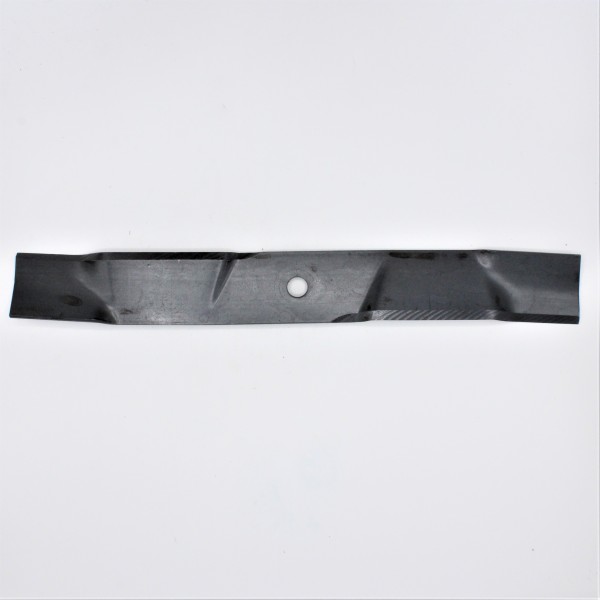
A blade that has been bent, even slightly, from hitting a stone, a root, or a hidden obstacle will be out of balance. An out-of-balance blade creates a vibration that increases with blade speed, so you may notice it more when the blades are engaged at full throttle than at lower revs. The vibration often comes through the seat and the steering as a noticeable shudder rather than a gentle hum.
A blade that has lost a chunk from its edge, which can happen when hitting a hard object at speed, causes a similar effect. Even a small amount of material missing from one side of the blade is enough to throw the balance off significantly.
With the machine safely switched off, ignition key removed, and the deck lowered to give access, a visual inspection of the blades will usually reveal obvious damage. If a blade looks uneven, chipped, or bent, replacement is the answer. Blades are a wear item and not expensive, and fitting a new one makes an immediate difference.
Worn spindle bearings often come with a companion sound, a rumbling or grinding noise that's present when the blades are engaged and disappears when they're switched off. If you've been noticing a new noise alongside the vibration, that combination points fairly strongly to a spindle bearing issue.
This is a job for a dealer or workshop rather than a home repair in most cases, but catching it early makes it a much more straightforward fix than leaving it until the bearing fails completely.
Walk around the machine and give things a gentle check. Look at the cutting deck for any fixings that appear loose or missing. Check any cover panels or guards for movement. Have a look at the grass collection system and make sure everything is seated properly. A single loose bolt or an ill-fitting panel can produce a rattle or vibration that feels more alarming than it actually is.
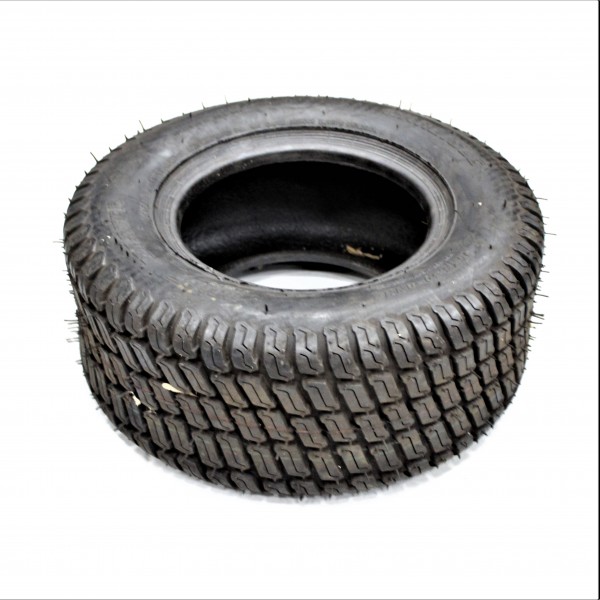
Check that all four tyres are inflated to the same pressure and that none have developed a slow puncture over winter or during the season. A tyre that's noticeably softer than the others will affect both handling and the feel of the machine in a way that can easily be mistaken for a mechanical problem.
An engine that has been running smoothly all season and then develops vibration is worth having looked at, particularly if the change coincided with a change in running sound or behaviour.
Vibration that's left unaddressed has a habit of accelerating wear in whatever is causing it, so prompt attention is nearly always the more economical choice.
The good news is that most vibration problems have a fairly limited number of causes, and working through them in a logical order usually leads you to the answer without any specialist knowledge.
Start With the Blades
The cutting blades are the first place to look when a Countax develops unusual vibration, because they're the most common cause and also the easiest to check. Blades spin at high speed, and when they're perfectly balanced and undamaged, that spinning is smooth. When something is wrong with a blade, that smoothness disappears.A blade that has been bent, even slightly, from hitting a stone, a root, or a hidden obstacle will be out of balance. An out-of-balance blade creates a vibration that increases with blade speed, so you may notice it more when the blades are engaged at full throttle than at lower revs. The vibration often comes through the seat and the steering as a noticeable shudder rather than a gentle hum.
A blade that has lost a chunk from its edge, which can happen when hitting a hard object at speed, causes a similar effect. Even a small amount of material missing from one side of the blade is enough to throw the balance off significantly.
With the machine safely switched off, ignition key removed, and the deck lowered to give access, a visual inspection of the blades will usually reveal obvious damage. If a blade looks uneven, chipped, or bent, replacement is the answer. Blades are a wear item and not expensive, and fitting a new one makes an immediate difference.
The Spindle Bearings
If the blades look fine but the vibration persists, the spindle bearings are the next thing to consider. The spindle is the assembly that holds each blade and allows it to spin, and inside it are bearings that can wear over time. When a bearing starts to fail, the blade develops a slight wobble as it turns, and that wobble translates into vibration through the whole machine.Worn spindle bearings often come with a companion sound, a rumbling or grinding noise that's present when the blades are engaged and disappears when they're switched off. If you've been noticing a new noise alongside the vibration, that combination points fairly strongly to a spindle bearing issue.
This is a job for a dealer or workshop rather than a home repair in most cases, but catching it early makes it a much more straightforward fix than leaving it until the bearing fails completely.
Loose Components
Not all vibration is serious, and before assuming the worst it's worth spending a few minutes checking for anything that might simply have worked loose. A season of regular use, combined with the vibration of normal operation, can loosen fixings, panels, and fittings that were perfectly tight at the start of the year.Walk around the machine and give things a gentle check. Look at the cutting deck for any fixings that appear loose or missing. Check any cover panels or guards for movement. Have a look at the grass collection system and make sure everything is seated properly. A single loose bolt or an ill-fitting panel can produce a rattle or vibration that feels more alarming than it actually is.
Tyre Pressure
This one is easy to overlook but worth checking early in the process because it costs nothing and takes thirty seconds. Uneven tyre pressure across the front or rear axle can cause a pulling sensation and an uneven ride that feels like vibration, particularly on slightly rough or uneven ground.Check that all four tyres are inflated to the same pressure and that none have developed a slow puncture over winter or during the season. A tyre that's noticeably softer than the others will affect both handling and the feel of the machine in a way that can easily be mistaken for a mechanical problem.
The Engine Itself
If the vibration is present even when the blades are disengaged and the machine is simply driving across the lawn, the source is more likely to be the engine or something in the drive system rather than the cutting assembly. An engine that's running roughly, perhaps due to a mounting that has deteriorated or a fuelling issue, can transmit vibration through the whole machine.An engine that has been running smoothly all season and then develops vibration is worth having looked at, particularly if the change coincided with a change in running sound or behaviour.
When to Get Help
Working through the list above will resolve the majority of vibration issues, or at least narrow down where the problem is coming from. If you've checked the blades, looked for loose components, confirmed the tyre pressures, and the vibration is still there and coming from the blade area during cutting, having the spindles inspected by a dealer is the logical next step.Vibration that's left unaddressed has a habit of accelerating wear in whatever is causing it, so prompt attention is nearly always the more economical choice.