Countax Belt Maintenance: Deck Belts, Drive Belts and Transmission Belts Explained
Date Released: 2 Mar 2026 Category: Blog
Belts are the hardworking components that transfer power throughout your Countax, yet they're often overlooked until something goes wrong. Understanding the different belts on your tractor, recognising when they need attention, and knowing how to maintain them properly keeps your Countax running reliably and saves you from inconvenient breakdowns mid-mow.
Your Countax uses several different belts, each with its own job to do. These aren't interchangeable, and each type requires specific attention. Learning to identify which belt is which and understanding what each one does helps you maintain your tractor properly and communicate clearly when ordering replacements.
The drive belt transfers power from the engine to the transmission, allowing your Countax to move forward and backward. This belt is under constant tension when you're driving, and it experiences significant stress when you're mowing on slopes or pulling attachments.
Some Countax models also have a transmission belt that works within the transmission system itself, though this is less common and not present on all models. Your specific model determines which belts you have and where they're located.
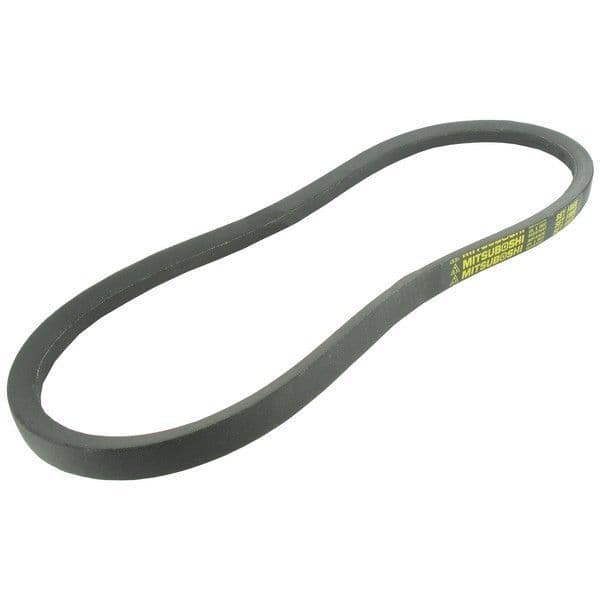
The most obvious sign of wear is cracking on the belt surface. Small cracks across the width of the belt indicate the rubber is hardening and losing flexibility. A few tiny cracks aren't immediately catastrophic, but once cracking becomes widespread, the belt is on borrowed time.
Glazing occurs when the belt surface becomes shiny and hard from excessive heat or slipping. A glazed belt doesn't grip pulleys properly and will slip under load. You might notice the engine speed increasing without a corresponding increase in blade speed or forward motion.
Fraying along the belt edges suggests misalignment or damaged pulleys. The belt is rubbing against something it shouldn't be, causing the edges to deteriorate. Fraying belts should be replaced, but you should also investigate why the fraying occurred to prevent the replacement suffering the same fate.
Look at the belt surface for cracks, glazing, or obvious damage. Check the edges for fraying or unusual wear patterns. Press on the belt between pulleys to check tension. A properly tensioned belt should have a small amount of give but shouldn't be loose or floppy.
Pay attention to belt width. Belts can wear thinner over time, and a belt that's noticeably narrower than it should be needs replacing. Measure the width if you're unsure, comparing it to the specifications for your model.
Deck belts typically show their age through cracking and glazing. If your Countax struggles to engage the deck, makes squealing noises when the deck is engaged, or if you notice the blades slowing down under load, the deck belt is probably the culprit.
Replacing a deck belt is one of the more accessible maintenance tasks on a Countax. The exact procedure varies by model, but generally involves removing deck covers, releasing tension, and routing the new belt around the various pulleys. Your model's parts diagram shows the exact routing, which is crucial to get right.

Symptoms of a failing drive belt include sluggish movement, difficulty climbing slopes, or complete loss of drive. Sometimes you'll notice the engine revving without the Countax moving at the speed you'd expect. This suggests the belt is slipping.
Drive belt replacement is more involved than deck belt replacement on most Countax models. You may need to remove other components to access the belt, and correct routing and tensioning are critical. If you're not confident tackling this yourself, it's a job for someone with experience.
Most Countax models use spring-loaded tensioners that automatically maintain correct belt tension. These tensioners have a specific range of movement, and if the belt has stretched or the tensioner spring has weakened, the tensioner might not be able to maintain proper tension.
Check that tensioners move freely through their full range. A seized or binding tensioner can't do its job. If a tensioner seems weak or doesn't return to the correct position, it may need replacing along with the belt.
As a general guide, deck belts might need replacing every couple of seasons with regular use. Drive belts often last longer but still require periodic replacement. Your usage patterns affect belt life considerably. A Countax used weekly on a large garden works its belts much harder than one used fortnightly on a small lawn.
Keep a spare deck belt on hand if you use your Countax regularly. Deck belts fail more frequently than drive belts, and having a spare means you can get back to mowing quickly if one breaks.
Before removing the old belt, note how it's routed around the various pulleys. Taking a photograph can be helpful. Belt routing diagrams are available in parts lists and owner's manuals, but having your own reference makes installation easier.
Clean pulleys before fitting a new belt. Grass clippings and debris on pulleys cause belts to slip and wear prematurely. A clean pulley surface allows the belt to grip properly from day one.
Keep pulleys and belt surfaces clean. Grass buildup on pulleys changes their effective diameter and causes belts to slip. A quick clean after use takes minutes but makes a real difference to belt longevity.
Address squealing immediately. A squealing belt is slipping, generating heat that damages both the belt and the pulleys. Don't ignore squealing in the hope it will stop. It won't, and the problem will only worsen.
Genuine Countax belts are made to the correct specifications and designed to work with your specific model. They might cost slightly more than generic alternatives, but they fit properly and last longer, making them better value overall.
Belt maintenance might not be the most exciting aspect of owning a Countax, but it's one of the most important. Keeping your belts in good condition ensures reliable operation and prevents frustrating breakdowns when you least need them.
Your Countax uses several different belts, each with its own job to do. These aren't interchangeable, and each type requires specific attention. Learning to identify which belt is which and understanding what each one does helps you maintain your tractor properly and communicate clearly when ordering replacements.
The Different Belts on Your Countax
The deck belt connects the engine to the cutting blades. When you engage the cutting deck, this belt transfers power from the engine pulley to the deck pulleys, which in turn drive the blade spindles. The deck belt works hard, constantly engaging and disengaging as you start and stop mowing.The drive belt transfers power from the engine to the transmission, allowing your Countax to move forward and backward. This belt is under constant tension when you're driving, and it experiences significant stress when you're mowing on slopes or pulling attachments.
Some Countax models also have a transmission belt that works within the transmission system itself, though this is less common and not present on all models. Your specific model determines which belts you have and where they're located.
How Belts Wear Out
Belts don't last forever. They're made from rubber compounds reinforced with cords, and over time, these materials deteriorate. Heat, friction, and constant flexing all contribute to belt wear. Understanding how belts fail helps you recognise when replacement is necessary.The most obvious sign of wear is cracking on the belt surface. Small cracks across the width of the belt indicate the rubber is hardening and losing flexibility. A few tiny cracks aren't immediately catastrophic, but once cracking becomes widespread, the belt is on borrowed time.
Glazing occurs when the belt surface becomes shiny and hard from excessive heat or slipping. A glazed belt doesn't grip pulleys properly and will slip under load. You might notice the engine speed increasing without a corresponding increase in blade speed or forward motion.
Fraying along the belt edges suggests misalignment or damaged pulleys. The belt is rubbing against something it shouldn't be, causing the edges to deteriorate. Fraying belts should be replaced, but you should also investigate why the fraying occurred to prevent the replacement suffering the same fate.
Checking Belt Condition
Regular inspection catches belt problems before they cause breakdowns. With the engine off and the spark plug disconnected for safety, you can examine the belts your Countax uses. Some are easily visible, whilst others require removing covers or guards.Look at the belt surface for cracks, glazing, or obvious damage. Check the edges for fraying or unusual wear patterns. Press on the belt between pulleys to check tension. A properly tensioned belt should have a small amount of give but shouldn't be loose or floppy.
Pay attention to belt width. Belts can wear thinner over time, and a belt that's noticeably narrower than it should be needs replacing. Measure the width if you're unsure, comparing it to the specifications for your model.
Deck Belt Specifics
The deck belt on your Countax experiences particularly harsh conditions. It's constantly starting and stopping as you engage and disengage the cutting deck. It operates in an environment full of grass clippings, dust, and debris. It's also exposed to the weather when you're mowing.Deck belts typically show their age through cracking and glazing. If your Countax struggles to engage the deck, makes squealing noises when the deck is engaged, or if you notice the blades slowing down under load, the deck belt is probably the culprit.
Replacing a deck belt is one of the more accessible maintenance tasks on a Countax. The exact procedure varies by model, but generally involves removing deck covers, releasing tension, and routing the new belt around the various pulleys. Your model's parts diagram shows the exact routing, which is crucial to get right.
Drive Belt Considerations
The drive belt connects the engine to your Countax's transmission. When this belt fails, you're going nowhere. The drive belt experiences constant tension when the machine is in motion, and it takes significant strain when you're mowing on slopes or in thick grass.Symptoms of a failing drive belt include sluggish movement, difficulty climbing slopes, or complete loss of drive. Sometimes you'll notice the engine revving without the Countax moving at the speed you'd expect. This suggests the belt is slipping.
Drive belt replacement is more involved than deck belt replacement on most Countax models. You may need to remove other components to access the belt, and correct routing and tensioning are critical. If you're not confident tackling this yourself, it's a job for someone with experience.
Belt Tensioning
Proper tension is crucial for belt life and performance. A belt that's too loose will slip, causing poor performance and excessive heat that damages the belt. A belt that's too tight puts excessive stress on bearings and can cause premature failure of both the belt and the components it drives.Most Countax models use spring-loaded tensioners that automatically maintain correct belt tension. These tensioners have a specific range of movement, and if the belt has stretched or the tensioner spring has weakened, the tensioner might not be able to maintain proper tension.
Check that tensioners move freely through their full range. A seized or binding tensioner can't do its job. If a tensioner seems weak or doesn't return to the correct position, it may need replacing along with the belt.
When to Replace Belts
The ideal time to replace a belt is before it fails completely. Changing a belt at your convenience is much better than dealing with a breakdown when you're halfway through mowing. If a belt shows significant cracking, glazing, fraying, or has become noticeably narrower, replace it.As a general guide, deck belts might need replacing every couple of seasons with regular use. Drive belts often last longer but still require periodic replacement. Your usage patterns affect belt life considerably. A Countax used weekly on a large garden works its belts much harder than one used fortnightly on a small lawn.
Keep a spare deck belt on hand if you use your Countax regularly. Deck belts fail more frequently than drive belts, and having a spare means you can get back to mowing quickly if one breaks.
Fitting New Belts
When fitting new belts, always use the correct type and size for your Countax model. Belts are specific to model and even to year of manufacture in some cases. Using your model information when ordering ensures you get exactly the right belt.Before removing the old belt, note how it's routed around the various pulleys. Taking a photograph can be helpful. Belt routing diagrams are available in parts lists and owner's manuals, but having your own reference makes installation easier.
Clean pulleys before fitting a new belt. Grass clippings and debris on pulleys cause belts to slip and wear prematurely. A clean pulley surface allows the belt to grip properly from day one.
Extending Belt Life
Good operating practices extend belt life significantly. Allow the engine to reach operating temperature before engaging belts under heavy load. When engaging the cutting deck, do so with the engine at moderate speed rather than full throttle. This reduces shock loading on the belt.Keep pulleys and belt surfaces clean. Grass buildup on pulleys changes their effective diameter and causes belts to slip. A quick clean after use takes minutes but makes a real difference to belt longevity.
Address squealing immediately. A squealing belt is slipping, generating heat that damages both the belt and the pulleys. Don't ignore squealing in the hope it will stop. It won't, and the problem will only worsen.
Ordering the Right Belts
Countax uses different belts for different models and different years of the same model. When ordering replacement belts, you need your model designation and serial number. This information is on your Countax's identification plate.Genuine Countax belts are made to the correct specifications and designed to work with your specific model. They might cost slightly more than generic alternatives, but they fit properly and last longer, making them better value overall.
Belt maintenance might not be the most exciting aspect of owning a Countax, but it's one of the most important. Keeping your belts in good condition ensures reliable operation and prevents frustrating breakdowns when you least need them.